Yes, you can paint vinyl siding. Use a 100% acrylic or urethane-modified acrylic exterior paint and pick a color no darker than your current siding, unless the color comes from a vinyl-safe palette. Wash off all dirt and chalky residue first, paint in mild, dry weather, and apply two thin coats. Done right, the finish lasts about 5 to 10 years.
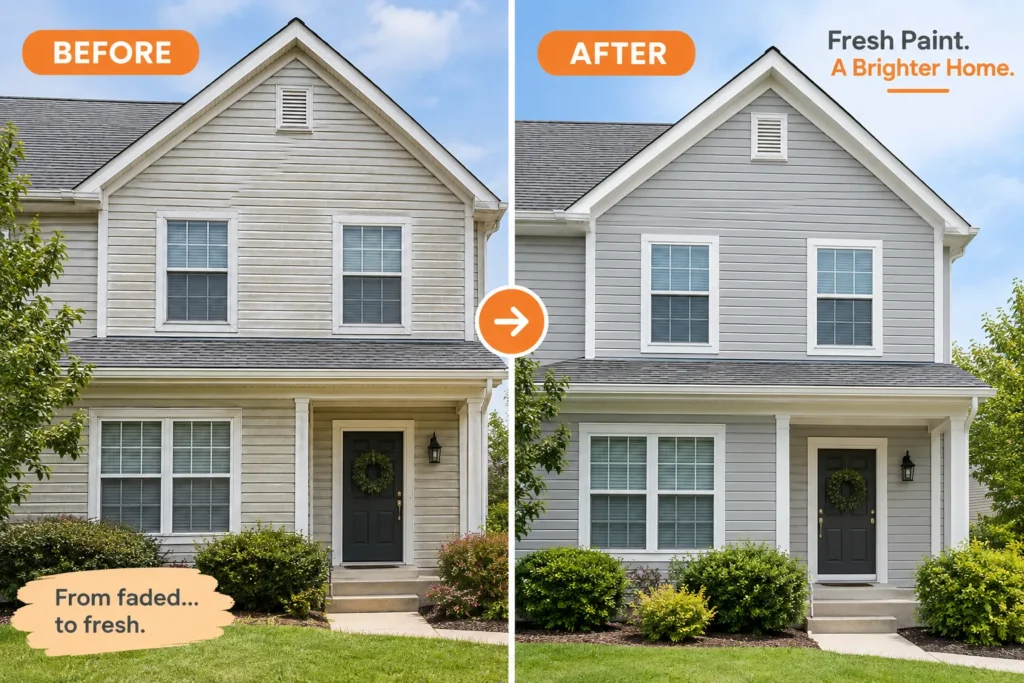
Vinyl gets its color from pigment blended into the PVC, so it never needs paint when it’s new. Years of sun change that. The color fades, often more on the south and west walls, and a powdery film builds up on the surface. Paint fixes both problems at a fraction of the cost of new siding, as long as the panels are still solid.
At a glance
- Best paint: 100% acrylic latex or urethane-modified acrylic, labeled for vinyl
- Color rule: same shade or lighter, or a vinyl-safe color for darker shades
- Ideal weather: dry days between about 50°F and 85°F, out of direct midday sun
- Coats: two thin coats for a color change
- Lifespan: 5 to 10 years, shorter in harsh climates
- Professional cost: about $1 to $3 per square foot, or $1,500 to $5,000 for an average house
- DIY time: 3 to 4 days for a one-story home
- Biggest risk: warping from dark colors and peeling from poor cleaning
Should You Paint Vinyl Siding or Replace It?
Paint vinyl siding when the panels are sound but the color is faded, dated, or not to your taste. Replace it when the panels themselves are failing. Paint changes the color of siding; it can’t fix a cracked or loose panel.
Reasons to Paint
- Lower cost. Painting runs about half the price of new siding (see the cost breakdown below).
- More color choice. Siding makers offer a limited factory palette, while paint brands offer thousands of shades.
- Faster results. A crew can often finish a house in a few days, with no tear-off or disposal.
- Less landfill waste. Keeping sound panels on the wall avoids throwing out a whole house’s worth of vinyl.
- A quick curb appeal boost before listing a home for sale.
Signs You Should Replace Instead
- Cracked, split, or brittle panels that snap when you press them
- Wavy, warped, or buckled sections
- Panels that rattle, sag, or pull away from the wall
- Soft sheathing, rot, or moisture stains behind the siding
- Siding close to 20 years old that shows several of these problems at once
Painting over these problems hides them for a season and lets water damage keep spreading underneath.
Check Your Warranty and Insurance First
Many vinyl siding warranties end once the siding is painted. Read your warranty or call the manufacturer before you buy paint. Some brands allow painting if you follow their rules on paint type and color.
It also helps to ask your insurance agent how painted siding affects storm claims. Replacing a few hail-damaged panels on a painted house means matching both the profile and the paint color, which can complicate a claim.
What Is the Best Paint for Vinyl Siding?
The best paint for vinyl siding is a premium water-based exterior paint made with 100% acrylic resin, or acrylic blended with urethane. Vinyl moves a lot as temperatures change, so the paint has to stretch without cracking. It also has to grip a smooth, non-porous plastic surface.
| Paint type | Good on vinyl? | What to know |
|---|---|---|
| 100% acrylic latex | Yes, the standard choice | Flexible, bonds well, resists fading and chalking |
| Urethane-modified acrylic | Yes | Adds extra flexibility and grip on plastic surfaces |
| Vinyl-specific formulas | Yes, best for color changes | Built to cover faded vinyl and pair with vinyl-safe colors |
| Budget vinyl-acrylic latex | Not recommended | Fades and chalks much faster |
| Oil-based (alkyd) | No | Too stiff, so it cracks as the panels expand and contract |
Brands With Vinyl-Safe Options
- Sherwin-Williams: The VinylSafe palette offers about 100 colors, including a small group of darker shades. These colors can be tinted into Emerald, Duration, SuperPaint, Resilience, and Latitude exterior paints.
- Benjamin Moore: It offers a curated list of 75 vinyl-safe colors for its exterior lines. Regal Select Exterior Revive is a paint-and-primer made specifically for vinyl siding.
- Behr and PPG: Both sell 100% acrylic exterior paints rated for vinyl. Check the label and the brand’s vinyl color guidance before you buy.
Expect to pay roughly $30 to $80 per gallon for a quality exterior paint that works on vinyl.
Which Sheen Works Best?
Satin or low-luster finishes look closest to the original factory surface. They also shed dirt and hide minor dents. Flat paint holds grime, and high-gloss paint shows every flaw in the panels.
What Colors Can You Paint Vinyl Siding?
You can paint vinyl siding almost any light or mid-tone color. The safe rule is to choose a shade that’s the same as or lighter than the original siding. Go darker only with a color from a vinyl-safe palette.
Why Dark Colors Warp Vinyl
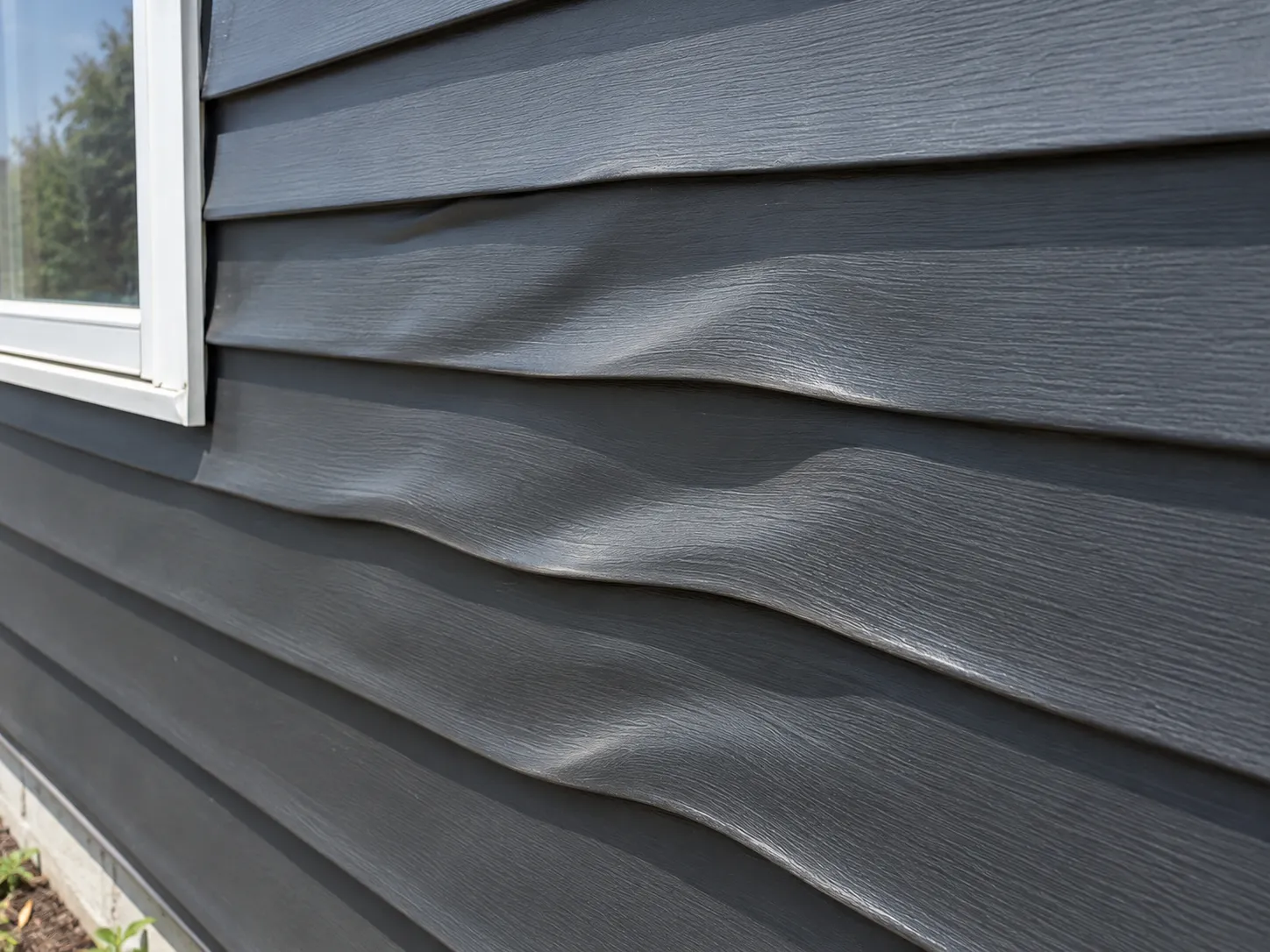
Vinyl starts to soften and distort at around 160 to 165°F. Each siding product is designed for the heat its factory color absorbs. A dark paint soaks up more sunlight, so a south- or west-facing wall can climb past that limit on a hot afternoon. The result is wavy, bulging panels, and heat-distorted panels can’t be flattened back out.
What LRV Means for Siding Colors
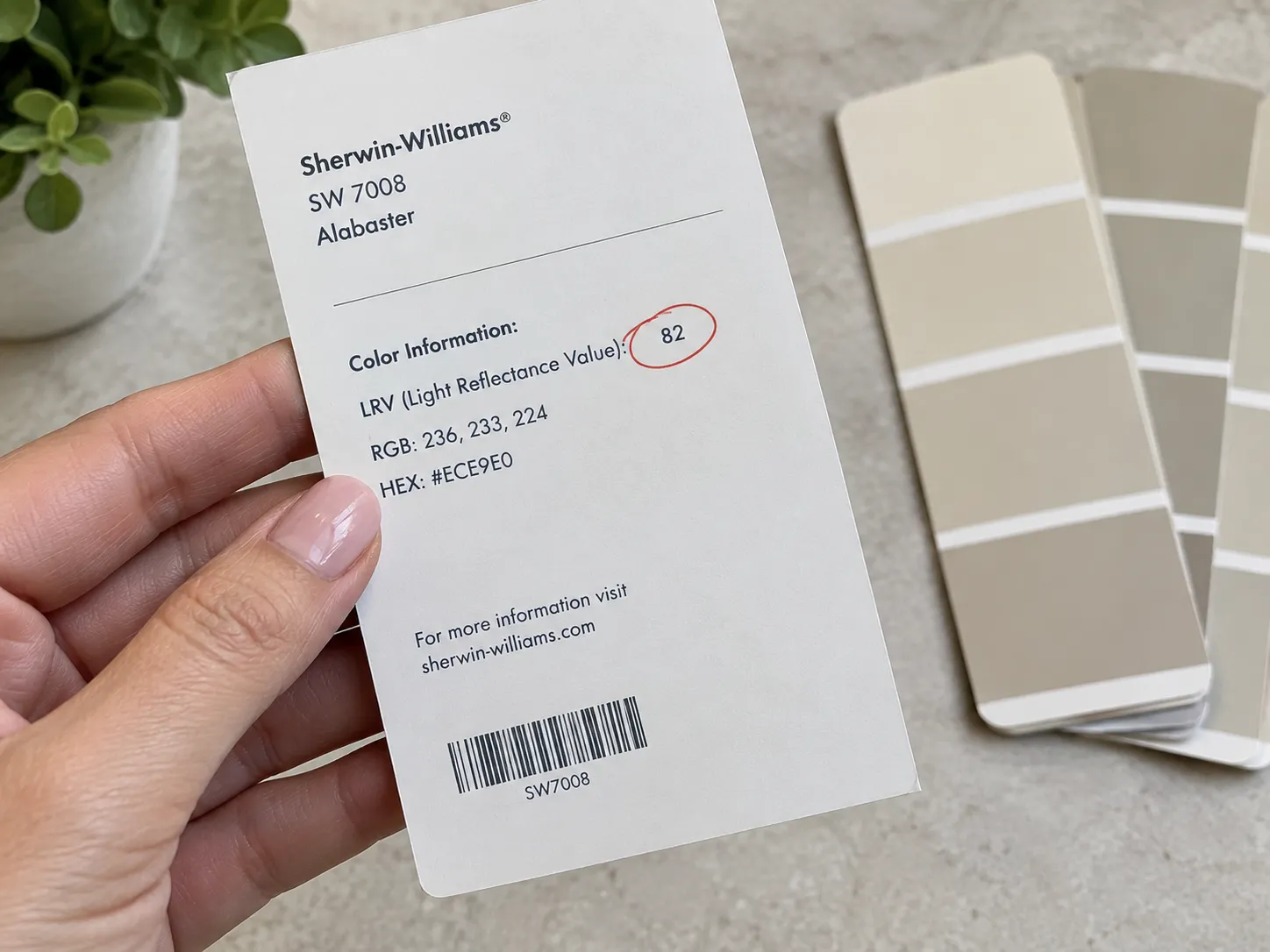
Light Reflectance Value (LRV) measures how much light a color reflects, on a scale from 0 (black) to 100 (pure white). A higher LRV keeps the surface cooler.
Some makers of PVC trim and composite siding, such as AZEK, use an LRV of 55 as the cutoff for standard paint colors. You’ll usually find a color’s LRV on the back of the paint chip or on the brand’s website. As a simple check, pick a color whose LRV is equal to or higher than your siding’s current color.
Can You Paint Vinyl Siding a Darker Color?
Yes, with a vinyl-safe color. These colors use heat-reflective pigments that keep a darker finish from absorbing as much heat. That opens up deeper grays, greens, and blues that standard paint can’t safely deliver on vinyl.
Vinyl-safe palettes include only a limited selection of darker shades, not every deep color on the fan deck. Brands also note that these colors are meant for sound, stable panels. Older siding that’s thin or brittle is a poor candidate for a big jump in darkness.
How to Choose Siding Colors That Work
- Start with what won’t change. Your roof, brick, stone, and walkway set the color family.
- Match the architecture. Colonial and Cape Cod homes suit soft whites, grays, and muted blues. Craftsman homes suit earthy greens and warm tans. Farmhouse styles lean toward crisp whites and warm neutrals.
- Plan the whole palette. Choose siding, trim, shutters, and the front door together.
- Test on the wall. Paint a 2-by-2-foot sample on a sunny side and a shady side. Check it in morning, midday, and evening light before you commit.
Do You Need to Prime Vinyl Siding?
Usually not. Clean vinyl in good shape accepts a quality acrylic paint directly, and many vinyl paints are self-priming. Prime only the areas that need extra help:
- Pitted, rough, or porous panels
- Heavily weathered siding that still feels chalky after washing
- A big color change, such as dark siding going to a light color
- Any case where the paint label calls for primer
If you prime, use a water-based bonding primer rated for vinyl and check that your topcoat works with it.
Tools and Materials for Painting Vinyl Siding
For cleaning: garden hose, bucket, soft-bristle brush on an extension pole, siding cleaner or mild detergent, and oxygen bleach for mildew.
For painting: vinyl-rated exterior paint, bonding primer if needed, 9-inch roller frame, 3/8-inch nap covers for smooth vinyl or 1/2-inch for textured vinyl, a 2.5-inch angled brush, paint tray, and an extension pole. An airless sprayer is optional.
For protection and safety: painter’s tape, masking paper, plastic sheeting, drop cloths, exterior caulk, a sturdy extension ladder, gloves, and eye protection.
How Much Paint Do You Need?
One gallon covers about 250 to 400 square feet per coat. To estimate your total, measure each wall’s width and height, add them up, and subtract large openings like garage doors. Divide by 300 for a safe middle estimate, then double it for two coats.
For example, a house with 1,800 square feet of siding needs about 6 gallons per coat, or 12 gallons for two coats. Buy all of it in one order so the color matches from can to can.
How to Paint Vinyl Siding: Step by Step
Most DIYers finish a one-story home in 3 to 4 days: one day to clean, one to dry and mask, and one or two to paint.
Step 1: Inspect and Repair
Walk the whole house and press on the panels as you go. Replace cracked or warped pieces, refasten loose ones, and re-caulk gaps around windows, doors, and trim with an exterior acrylic caulk. If your home was built before 1978 and has old painted trim, test for lead before you scrape or sand anything.
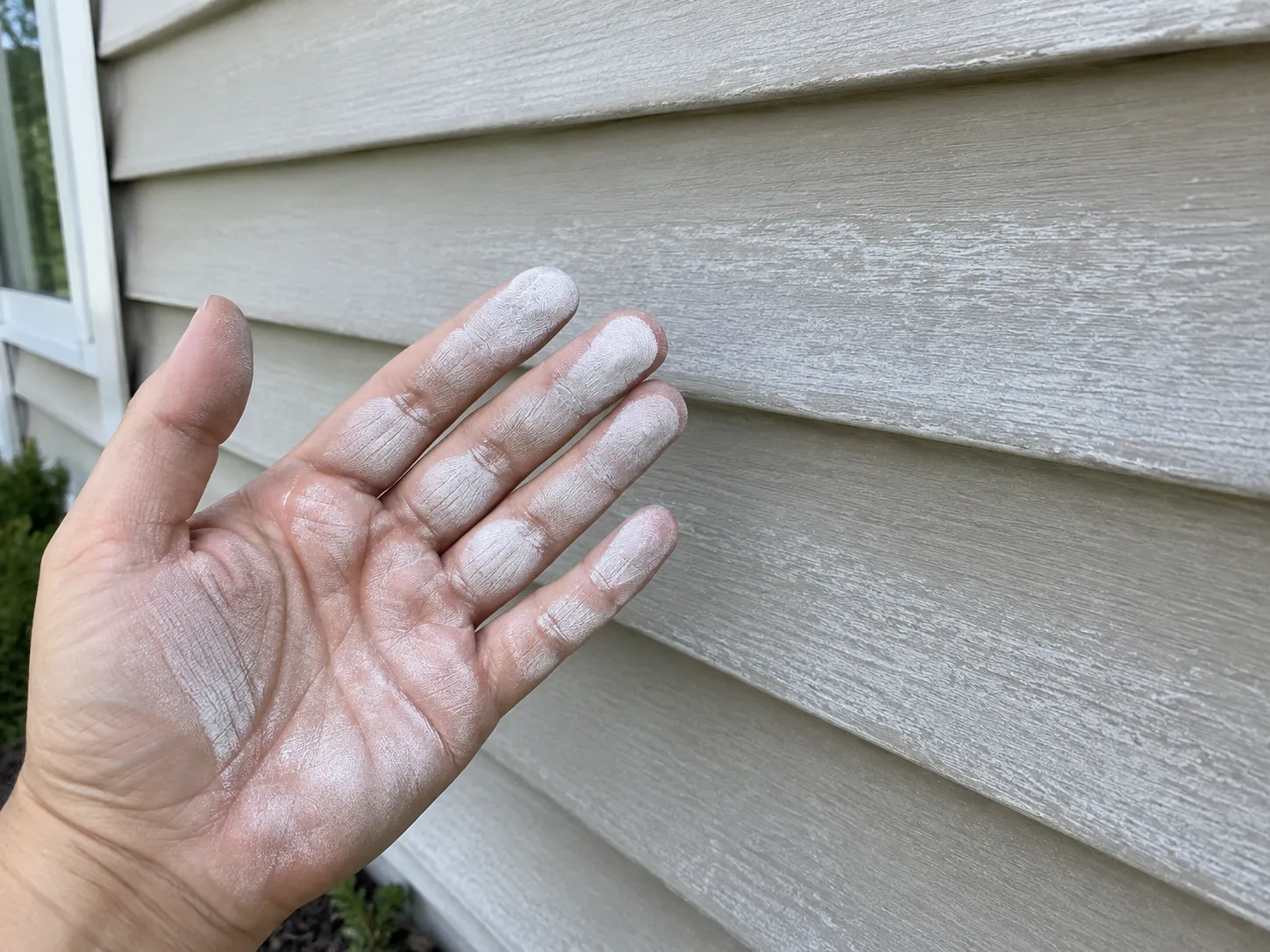
Step 2: Do the Chalk Test
Rub your palm across a sunny wall. If it comes away white or tinted with powder, the vinyl has oxidized. That powder has to come off completely, because paint sticks to the chalk instead of the siding and then peels.
Step 3: Wash the Siding
Use a commercial house and siding wash, or warm water with a mild, non-abrasive detergent. For mildew spots, add oxygen bleach or use a diluted bleach solution, and wet nearby plants first to protect them.
- Wet a section, scrub it with a soft brush, and rinse before the cleaner dries.
- Work from the bottom up while scrubbing so drips don’t leave streaks.
- Keep the hose or wand aimed down so water doesn’t run behind the panels.
- If you use a pressure washer, keep it on a low setting, stay a couple of feet back, and never spray up under the laps.
Let the siding dry for at least a full day, then repeat the chalk test to confirm the residue is gone.
Step 4: Mask and Protect
Cover windows, doors, light fixtures, vents, and hardware with painter’s tape and masking paper. Lay drop cloths over walkways, decks, and garden beds. If you plan to spray, cover everything within reach of the overspray, including cars.
Step 5: Spot-Prime Where Needed
Prime only pitted, porous, or stubborn chalky areas unless your paint calls for full priming. Let the primer dry as the label directs.
Step 6: Apply the First Coat
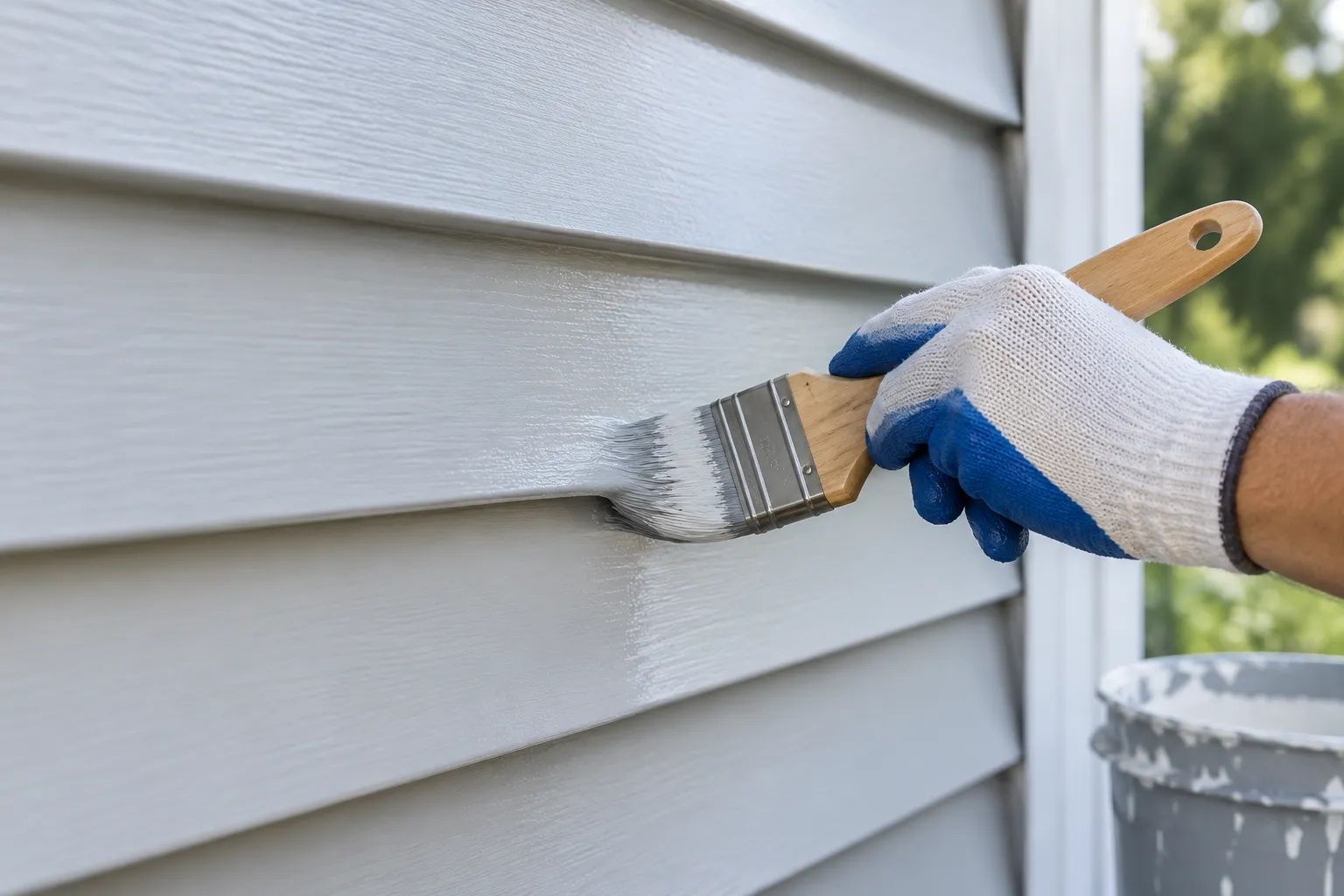
Work from the top of each wall down so drips land on unpainted areas. Paint a few boards at a time along their full length, from corner to corner or seam to seam. Stopping mid-board leaves lap marks where wet paint meets dry paint.
Brush paint into the bottom edge of each lap and into the vertical joints where panels overlap. Then roll or spray the flat faces. Follow the shade around the house, because paint that dries too fast in direct sun shows lap marks and bonds poorly.
Step 7: Apply the Second Coat
Wait for the recoat time on the label, often about 4 hours in warm, dry weather. Apply the second coat the same way. Two thin coats hold color and resist peeling better than one heavy coat.
Step 8: Finish and Let It Cure
Pull the tape while the last coat is still slightly soft for clean edges, then touch up any misses with a brush. Paint feels dry within hours but takes up to two weeks to fully cure. Hold off on washing the siding or leaning ladders against it until then.
Brush vs. Roller vs. Sprayer on Vinyl Siding
For most homeowners, a roller plus a brush gives the best balance of speed, control, and finish. Pros often spray because it’s faster and leaves the smoothest, most factory-like look.
| Method | Speed | Finish | Best for |
|---|---|---|---|
| Brush | Slow | Can show brush marks on smooth vinyl | Lap edges, seams, corners, trim, touch-ups |
| Roller | Fast on flat faces | Even, with a light texture | DIY painting of large wall areas |
| Airless sprayer | Fastest | Smoothest, closest to new vinyl | Large homes, pros, experienced DIYers |
Roller and brush tips: Use a 3/8-inch nap on smooth vinyl and a 1/2-inch nap on wood-grain textures. Cut in the lap edges and joints with a brush first, then roll each board along its length. On textured siding, a quick pass with a brush after rolling pushes paint into the grain.
Sprayer tips: Use a fine-finish tip at low pressure and apply light, overlapping passes. Keep a wet edge across each wall to avoid dry-spray lines. Mask thoroughly, skip windy days, and wear a respirator for long spraying sessions.
Can You Paint Vinyl Siding in Winter?
You can paint vinyl siding in cool weather with the right product, but true winter conditions are risky. Most exterior acrylics need air and surface temperatures of at least 40 to 50°F. A few low-temperature paints, such as Sherwin-Williams Latitude, apply down to 35°F.
What Goes Wrong in Cold Weather
- Poor curing. Paint that gets too cold before it cures can crack, chalk early, or lose its grip. Overnight lows matter as much as the afternoon high.
- Dew damage. Moisture settles on siding in the late afternoon during fall and spring. Dew on fresh paint can leave streaks or a sticky, soapy residue.
- Brittle panels. Vinyl gets stiff and easier to crack in freezing weather, so ladders and hard knocks cause more damage.
- Shifting seams. Panels shrink in the cold and grow in the heat. As the seams slide, an unpainted strip at an overlap can become visible. Brushing paint into every overlap prevents this.
Tips for Cool-Weather Painting
- Choose a low-temperature exterior paint and follow its minimum temperature exactly.
- Paint from late morning to early afternoon, after frost and dew burn off.
- Stop at least two hours before dew usually forms.
- Make sure the overnight low stays above the paint’s minimum for the next 24 to 48 hours.
- Never paint over frost, ice, or damp siding.
Best time of year: Late spring and early fall give most regions the widest window, with mild days, low humidity, and fewer dew problems. Avoid the hottest summer afternoons too, because paint dries too fast on hot vinyl.
How Long Does Paint Last on Vinyl Siding?
Paint on well-prepared vinyl siding lasts about 5 to 10 years. In places with harsh sun, heavy storms, or big temperature swings, plan on a refresh closer to every 2 to 5 years.
Five things decide where your paint job lands in that range:
- Prep quality. Chalk-free, fully dry siding lets the paint bond to the vinyl itself.
- Paint grade. Premium 100% acrylic holds its color and resists chalking far longer than budget paint.
- Sun exposure. South- and west-facing walls fade and chalk first.
- Color. Lighter colors run cooler and usually show fading less.
- Upkeep. Dirt, mildew, and failed caulk shorten paint life quickly.
How to Make Painted Vinyl Last Longer
- Rinse the siding with a hose and a soft brush once a year.
- Keep shrubs and branches a foot or two away from the walls for airflow and sun.
- Treat mildew or algae as soon as it shows up.
- Check caulk around windows and doors every couple of years.
- Touch up chips and scrapes before water gets under the paint.
- Keep grills and fire pits well away from the siding, since heat can warp painted and unpainted vinyl alike.
Common Problems When Painting Vinyl Siding
Most paint failures on vinyl trace back to three causes: leftover chalk, a color that’s too dark, or painting in the wrong weather.
| Problem | Likely cause | How to fix or prevent it |
|---|---|---|
| Peeling or flaking | Chalk, dirt, or mildew left on the surface | Scrape loose paint, rewash until the chalk test is clean, and repaint |
| Warped or wavy panels | Color too dark for the siding | Replace distorted panels and repaint with a lighter or vinyl-safe color |
| Blisters or bubbles | Painting on damp siding or in hot, direct sun | Scrape, let dry, and repaint in shade on a mild day |
| Lap marks and streaks | Paint drying before the next pass overlaps it | Paint full board lengths and keep a wet edge |
| Unpainted strips at seams | Panels shifting with temperature | Brush paint into every overlap and joint |
| Fast fading or chalking | Low-grade paint | Repaint with a premium 100% acrylic |
| Sticky or streaked finish | Dew or rain on paint before it set | Wash off residue and recoat in drier conditions |
| Mildew spots through paint | Shade, moisture, or poor airflow | Clean with oxygen bleach and trim plants back |
Warping can also come from sunlight reflected off a neighbor’s low-E windows. If one small area distorts while the rest of the wall looks fine, check for a reflection before blaming the paint.
Can You Paint Vinyl Siding on a Mobile Home?
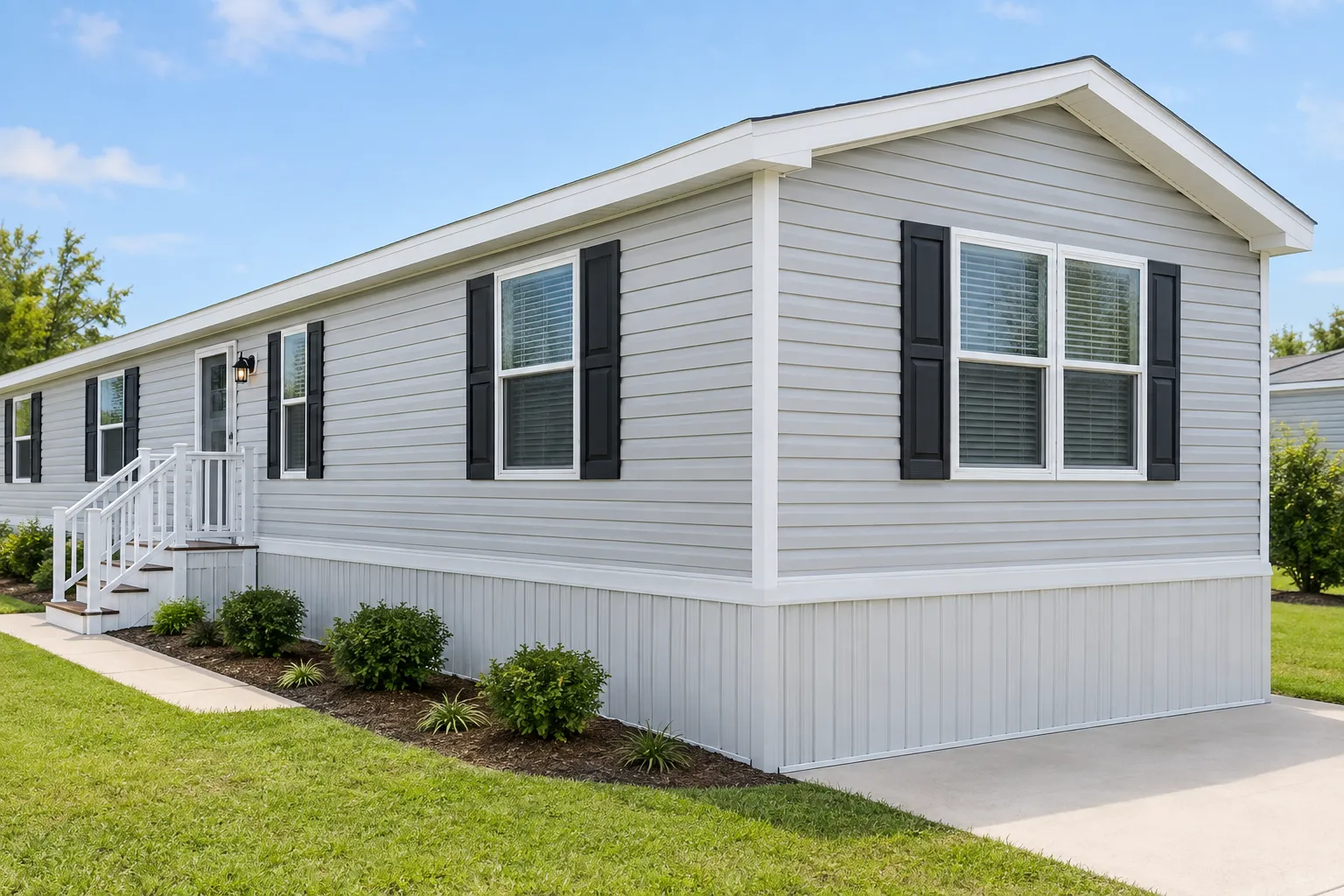
Yes. Painting vinyl siding on a mobile or manufactured home uses the same paint, prep, and color rules as a site-built house. A few differences make color choice and gentle handling even more important.
Confirm the material first. Many older manufactured homes have aluminum or steel siding, not vinyl. Metal feels cold and stiff and dents instead of flexing, while vinyl feels like flexible plastic. Metal siding needs a metal-rated primer and a different prep approach.
Watch panel thickness. Economy vinyl can be as thin as 0.040 inch, and thinner panels warp from heat more easily. On thin siding, stay with the same shade or lighter, even if a vinyl-safe darker color is available.
Clean gently. Thin panels crack under high pressure, especially in cold weather. Hand scrub or use the lowest pressure-washer setting, and keep water out of the seams.
Secure panels before painting. Manufactured homes can shift slightly as they settle. Check for loose panels, popped fasteners, and gaps around windows first.
Include the skirting. Vinyl skirting takes the same paint and prep. Painting it to match or contrast the siding pulls the whole exterior together.
Plan paint by wall area. Measure the walls and use the per-gallon coverage from the tools section. A single-wide usually needs far less paint than a two-story house.
The lower walls on most mobile homes let you reach almost everything from a short ladder, which makes this one of the easier DIY exterior projects.
How Much Does It Cost to Paint Vinyl Siding?
Professional painting of vinyl siding typically costs $1 to $3 per square foot of paintable wall, or about $1,500 to $5,000 for an average house. Replacing vinyl siding runs roughly $3 to $11 per square foot, about $4,800 to $11,100 on average, so painting costs about half as much.
| Option | Typical cost | What drives the price |
|---|---|---|
| DIY painting | About $400 to $1,500 | Paint grade, number of coats, tools you already own |
| Professional painting | $1 to $3 per sq ft ($1,500 to $5,000 average home) | Stories, access, prep, repairs, trim and doors |
| Full vinyl replacement | $3 to $11 per sq ft ($4,800 to $11,100 average) | Siding grade, tear-off, trim and accessories |
DIY costs: Paint for a 2,000-square-foot home runs roughly $150 to $500 per coat, depending on the brand. Add a few hundred dollars for cleaner, rollers, brushes, tape, plastic, and caulk. Renting an airless sprayer adds a daily fee.
Professional costs: Labor makes up most of the bill, often 70% to 80%. Two-story homes can cost up to 50% more because they need taller ladders or scaffolding. Repairs, heavy chalk removal, and painting trim, shutters, and doors all add to the quote.
Costs vary widely by region, so get at least three written estimates. Ask each contractor which paint and colors they’ll use, how many coats they’ll apply, and whether they warranty the work.
Frequently Asked Questions
Can you paint vinyl siding a darker color?
Yes, if you choose a color from a vinyl-safe palette, such as Sherwin-Williams VinylSafe or Benjamin Moore’s vinyl-safe collection. These colors reflect more heat than standard dark paint. With ordinary paint, stay at the same shade or lighter, because darker colors can heat vinyl past its warping point.
Do you need to prime vinyl siding before painting?
Not usually. Clean, sound vinyl bonds well with quality acrylic paint, and many vinyl paints are self-priming. Use a bonding primer only on pitted, porous, or stubbornly chalky areas, or when the paint label calls for it.
How many coats of paint does vinyl siding need?
Plan on two coats for any color change. The second coat evens out the color and adds film thickness, which helps the paint resist fading and peeling. A same-color refresh on previously painted siding in good shape may need only one coat.
Will paint peel off vinyl siding?
Paint peels from vinyl mostly when it goes on over chalky residue, dirt, mildew, or damp siding. Wash until your palm comes away clean, let the siding dry fully, and use a 100% acrylic paint. With that prep, vinyl holds paint very well.
Does painting vinyl siding void the warranty?
Often, yes. Many siding manufacturers end the warranty once the panels are painted, while some allow painting with approved products and colors. Read your warranty terms or call the manufacturer before you start.
Can you paint vinyl siding with a roller?
Yes. A roller with a 3/8-inch nap works well on smooth vinyl, and a 1/2-inch nap suits textured, wood-grain panels. Brush the lap edges and seams first, then roll each board along its full length to avoid lap marks.
How long should siding dry after washing before you paint?
Give it at least 24 hours in dry weather, and longer after a cool or humid night. Water can sit behind the laps and in seams even when the face looks dry. Painting over trapped moisture leads to blisters and peeling.
Can you paint vinyl shutters?
Yes. Clean them like the siding, lightly scuff glossy surfaces, and use the same vinyl-rated acrylic paint. Taking the shutters down and painting them flat on sawhorses gives a smoother finish and keeps paint off the siding.
Is it cheaper to paint or replace vinyl siding?
Painting costs roughly half as much as replacement for a typical house. Replacement makes more sense when the panels are cracked, warped, loose, or near the end of their life, because paint can’t fix physical damage.
The Bottom Line
Paint is a smart, budget-friendly fix when your vinyl panels are still solid and only the color has worn out. Get the paint, color, prep, and timing right, and your siding can look new for years at about half the cost of replacement.